Best Dog Collar on the Market: How to Choose the Safest, Most Comfortable Option for Your Dog
Looking for the Best Dog Collar on the Market? Start Here
If you’ve ever stood in front of dozens of dog collars—nylon, leather, padded, breakaway, training collars—you’ve probably asked yourself the same question many pet parents do: what is the best dog collar on the market for my dog?
A collar isn’t just an accessory. It’s something your dog may wear every day, sometimes all day. The wrong choice can lead to discomfort, escape risks, or even injury. The right one can improve safety, support training, and keep your dog comfortable and confident.
In this guide, we’ll break down everything you need to know to confidently choose the best dog collar on the market—based on comfort, safety, durability, and real-life use. Whether you’re shopping for a puppy, a puller, or a senior dog, this article is designed to help you make an informed decision and find a collar worth investing in.
What Makes the Best Dog Collar on the Market?
There’s no single “one-size-fits-all” answer. The best dog collar on the market depends on your dog’s size, behavior, lifestyle, and daily routine. However, the top-rated collars consistently share a few key qualities.
Comfort Comes First
A dog collar should feel secure but never restrictive. Look for collars that:
- Have smooth edges to prevent chafing
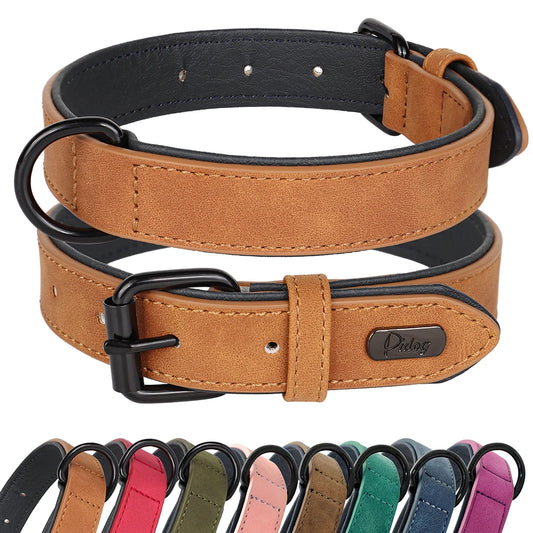
- Include padding or soft lining for daily wear
- Sit flat against the neck without twisting
Dogs that wear collars for long periods benefit most from lightweight, breathable materials that don’t dig into the skin.
Safety You Can Trust
Safety is non-negotiable when choosing the best dog collar on the market. High-quality collars often include:
- Breakaway or quick-release mechanisms to prevent choking
- Strong but flexible materials that won’t snap under normal use
- Secure stitching and reinforced hardware
For dogs that play hard or roam outdoors, safety-focused design is essential.
Durability for Real Life
A collar should hold up to walks, weather, tugging, and daily wear. Cheap collars may fray, stretch, or crack over time. Durable collars use:
- Reinforced nylon or genuine leather
- Rust-resistant metal hardware
- Strong D-rings for leash attachment
Types of Dog Collars: Which One Is Right for Your Dog?
Understanding collar types helps narrow down what truly qualifies as the best dog collar on the market for your specific needs.
Flat Dog Collars (Everyday Essential)
Flat collars are the most common and versatile option. They’re ideal for:
- ID tags
- Casual walks
- Everyday wear
For most dogs, a well-made flat collar with a secure buckle or snap closure is a reliable and humane choice.
Breakaway Dog Collars (Added Safety)
Breakaway collars are designed to release under pressure. They’re especially helpful for:
- Dogs left alone at home
- Dogs that play with other pets
- Small dogs prone to getting caught on objects
Many pet parents consider breakaway designs a top contender for the best dog collar on the market when safety is the priority.
Martingale Collars (For Escape Artists)
Martingale collars gently tighten without choking, making them popular for:
- Dogs with narrow heads (like Greyhounds)
- Dogs that slip out of standard collars
When properly fitted, they offer more control without discomfort.
Training Collars (Use with Caution)
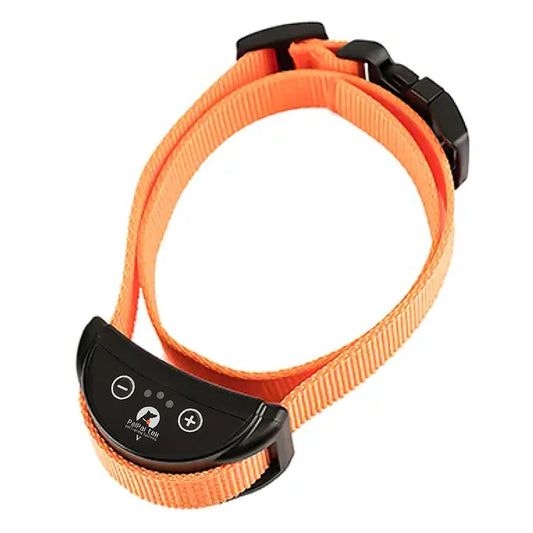
Some collars are designed for training purposes, such as vibration or sound-based collars. While these may help in specific situations, many vets and trainers recommend starting with positive reinforcement and standard collars before exploring training tools.
What Vets and Trainers Look for in the Best Dog Collar on the Market
Veterinarians and professional trainers tend to agree on a few fundamentals when it comes to collars.
Proper Fit Matters More Than Brand
A collar should follow the two-finger rule—you should be able to slide two fingers comfortably between the collar and your dog’s neck. Too tight can cause injury; too loose increases the risk of escape.
Humane, Non-Restrictive Design
The best dog collar on the market should never rely on pain or fear. Vets generally favor collars that:
- Don’t put pressure on the trachea
- Allow natural movement
- Avoid sharp edges or harsh materials
Lightweight and Breathable Materials
Especially for dogs that wear collars all day, lighter materials reduce strain on the neck and prevent overheating.
How to Choose the Best Dog Collar on the Market for Your Dog
Consider Your Dog’s Size and Breed
Small dogs need lightweight collars that won’t weigh them down. Large dogs need sturdy collars with reinforced hardware.
Think About Your Dog’s Behavior
- Pullers: Look for collars that distribute pressure evenly or pair with proper leash training.
- Escape-prone dogs: Martingale or adjustable-fit collars can help.
- Calm, indoor dogs: Comfort-focused collars with soft lining work well.
Match the Collar to Your Lifestyle
If your dog swims or hikes often, waterproof or quick-dry materials are ideal. For everyday city walks, a stylish but durable collar may be the best dog collar on the market for you.
Common Mistakes to Avoid When Buying a Dog Collar
Even well-meaning pet owners make these mistakes:
- Buying based on looks alone
- Choosing the wrong size
- Ignoring material quality
- Leaving collars on 24/7 without checking fit
A collar should be checked regularly for wear and adjusted as your dog grows or changes weight.
FAQs About the Best Dog Collar on the Market
What is the healthiest collar for a dog?
A healthy dog collar is lightweight, properly fitted, and made from non-irritating materials. Soft-lined flat collars are often a great choice.
Should dogs wear collars at night?
Many experts suggest removing collars at night to prevent snagging and allow the neck to rest—especially for dogs sleeping unsupervised.
Are expensive dog collars worth it?
Higher-quality collars often last longer, fit better, and offer improved safety features. Over time, they can be more cost-effective than replacing cheap collars.
How often should I replace my dog’s collar?
Inspect it monthly. Replace it if you notice fraying, cracked hardware, stretched material, or discomfort.
Why Quality Matters When Shopping for the Best Dog Collar on the Market
A dog collar is something you rely on every single day. It holds your dog’s ID, connects to the leash, and plays a role in training and safety. Investing in a well-designed collar means fewer replacements, fewer risks, and a happier dog.
The best dog collar on the market isn’t about trends—it’s about thoughtful design, reliable materials, and your dog’s comfort.
Final Thoughts: Finding the Best Dog Collar on the Market for Your Pup
Choosing the best dog collar on the market doesn’t have to be overwhelming. Focus on comfort, safety, durability, and fit. Pay attention to how your dog moves and reacts while wearing it. When a collar fits well and feels good, you’ll notice the difference immediately.
Whether you’re upgrading an old collar or shopping for a new dog, making an informed choice helps protect your pet and gives you peace of mind.
👉 Explore Our Collection of carefully selected dog collars designed with comfort, safety, and everyday use in mind—or Shop Now to find the perfect collar your dog will love wearing every day.