Safest Dog Collar for Pulling Dogs: How to Protect Your Dog While Gaining Better Control
Struggling With a Dog That Pulls on the Leash? You’re Not Alone
If walking your dog feels more like being dragged down the street than enjoying a calm stroll, you’re not failing as a pet parent—and your dog isn’t “bad.” Pulling is one of the most common issues dog owners face. The real challenge is finding the safest dog collar for pulling dogs that protects your pet while helping you regain control.
Many collars promise quick fixes, but not all are designed with safety or comfort in mind. Some can strain your dog’s neck, restrict breathing, or create fear-based behavior. Others simply don’t work for strong or energetic dogs.
This guide is designed to help you understand why dogs pull, what risks come with the wrong collar, and how to choose the safest dog collar for pulling dogs—without harming your dog or relying on harsh tools. By the end, you’ll know exactly what to look for and how to make a confident, informed choice.
Why Pulling Can Be Dangerous With the Wrong Collar
Before choosing the safest dog collar for pulling dogs, it’s important to understand what’s at stake.
Neck and Trachea Injuries
When a dog pulls hard against a poorly designed collar, it can put pressure directly on the trachea (windpipe). Over time, this may lead to:
- Coughing or gagging
- Neck strain or spinal stress
- Long-term breathing issues, especially in small breeds
Increased Anxiety and Reactivity
Collars that cause discomfort can make pulling worse. Pain or restriction often leads to frustration, which may result in:
- Lunging
- Barking
- Resistance to walking
A safe collar should reduce tension, not add to it.
What Makes the Safest Dog Collar for Pulling Dogs?
Not all collars are created equal. The safest dog collar for pulling dogs shares several key features focused on comfort, control, and humane design.
Even Pressure Distribution
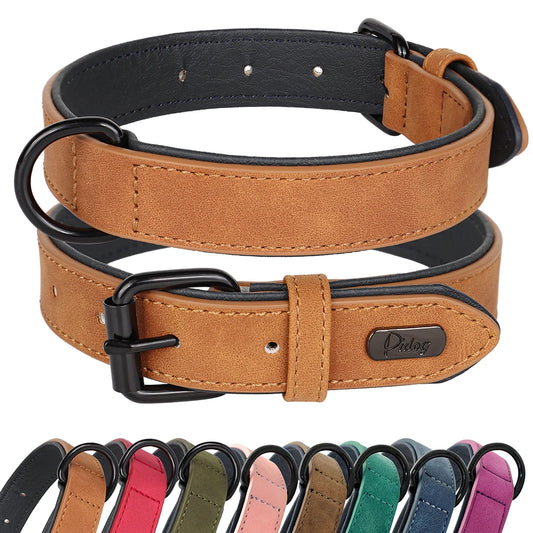
Collars designed with wider bands or padded interiors help distribute pressure more evenly across the neck. This reduces the risk of injury during sudden pulls.
Secure, Reliable Closures
A collar for a pulling dog must stay in place. Look for:
- Reinforced buckles
- Strong stitching
- Durable D-rings for leash attachment
Proper Adjustability
Dogs that pull often shift collars out of position. A well-adjustable collar ensures a snug fit without being tight, following the two-finger rule for comfort and safety.
Types of Collars: Which Is the Safest for Pulling Dogs?
Understanding collar types is crucial when searching for the safest dog collar for pulling dogs.
Flat Collars (Best for Mild Pullers)
Flat collars are suitable for dogs who pull lightly or are already leash-trained. When well-made and properly fitted, they’re safe for everyday use.
Best for:
- Calm walkers
- Dogs in training with minimal pulling
Limitations:
- Less control for strong or determined pullers
Martingale Collars (A Safer Option for Pullers)
Martingale collars are often recommended by trainers for dogs that pull or slip out of traditional collars. They tighten slightly when the dog pulls—but never choke.
Why they’re safer:
- Prevent escape without harsh pressure
- Offer more control than flat collars
- Distribute tension more evenly
For many owners, a martingale design is the safest dog collar for pulling dogs, especially for breeds with narrow heads.
Padded Control Collars (Comfort-Focused Safety)
Some collars are designed with extra padding and wider surfaces to reduce strain during pulling. These collars focus on minimizing discomfort while maintaining control.
Why they help:
- Reduce friction and chafing
- Protect sensitive neck areas
- Ideal for daily walks
What About Harnesses?
Harnesses are often recommended for pullers, but they aren’t always the perfect solution. Some dogs pull more in harnesses because they allow full chest engagement. For owners specifically seeking a collar, choosing the safest dog collar for pulling dogs is still possible with the right design.
Collars to Avoid for Pulling Dogs
When safety is the goal, certain collar types should be approached with caution.
Choke Chains
These collars tighten indefinitely and can cause serious injury. They rely on discomfort rather than guidance and are not considered humane by most trainers.
Prong Collars
Prong collars apply pressure through metal points. While sometimes used under professional supervision, they carry a high risk of misuse and injury.
Thin, Unpadded Collars
Narrow collars concentrate pressure in one area, increasing the risk of neck strain for pulling dogs.
How to Choose the Safest Dog Collar for Pulling Dogs
Measure Correctly
Always measure your dog’s neck and follow sizing guidelines. A collar that’s too loose can slip off; too tight can cause harm.
Match the Collar to Your Dog’s Strength
A strong dog needs reinforced hardware and thicker materials. Lightweight collars may fail under pressure.
Prioritize Comfort for Daily Use
The safest dog collar for pulling dogs is one your dog can wear comfortably for walks without irritation or resistance.
Training Still Matters (Even With the Right Collar)
A collar alone won’t completely stop pulling—but it plays a major role in safe training.
Pair the Collar With Positive Reinforcement
Reward loose-leash walking with treats, praise, or stops when pulling begins. Over time, your dog learns that calm walking gets results.
Consistency Is Key
Using the same collar, leash, and walking routine helps your dog understand expectations faster.
FAQs About the Safest Dog Collar for Pulling Dogs
What is the safest dog collar for pulling dogs?
A properly fitted martingale or padded control collar is often considered the safest option, as it offers control without choking or pain.
Can pulling damage a dog’s neck?
Yes. Repeated pulling against unsafe collars can cause tracheal damage, neck strain, and long-term discomfort.
Should I size up for a pulling dog?
No. Proper fit is essential. Follow sizing guides and ensure the collar stays secure without tightening excessively.
Are expensive collars safer?
Higher-quality collars often use better materials, stronger hardware, and safer designs—making them more reliable for pullers.
Why Quality Matters When Choosing a Collar for Pulling Dogs
Cheap collars may look fine at first but often stretch, weaken, or break under pressure. Investing in a thoughtfully designed collar reduces:
- Injury risk
- Replacement costs
- Daily frustration during walks
The safest dog collar for pulling dogs is one that’s built for real-life use—not just appearance.
Final Thoughts: Choosing Safety Over Shortcuts
When it comes to walking a dog that pulls, safety should always come first. The safest dog collar for pulling dogs supports training, protects your dog’s neck, and gives you confidence on every walk. It doesn’t rely on pain or fear—it relies on smart design and proper fit.
By choosing a collar that balances control, comfort, and durability, you set both you and your dog up for better walks and a stronger bond.
👉 Explore Our Collection of dog collars designed with safety and comfort in mind, or Shop Now to find the right solution for your pulling dog and enjoy calmer walks starting today.